



From 2 Months to 3 Hours: Engineering a Production-Grade Multi-Screen Architecture in the LLM Era
The Problem & The Multi-Screen Strategy
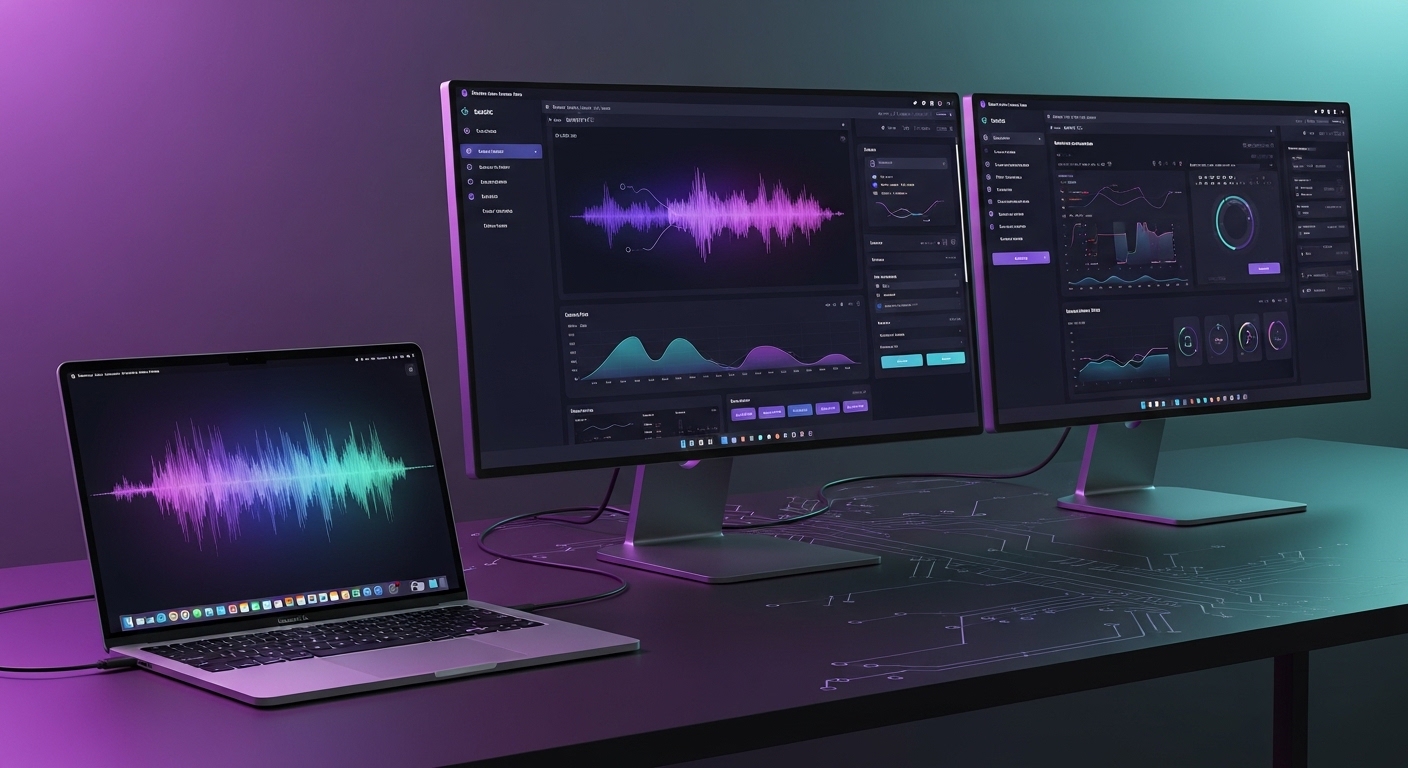
My daily workstation consists of two machines: an Apple laptop dedicated 100% to development, and a Windows machine with a dual-monitor setup used for emails, browsing, and communication. For months, I found myself wishing I could seamlessly bridge these two worlds. I needed a robust multi-screen strategy to use those two Windows monitors as a natural, low-latency extension of my Mac workspace.
I tested the most reputable and famous third-party tools available on the market. Honestly? None of them felt right. The performance was lacking, and they lacked the architectural flexibility to handle tailored multi-display demands efficiently.
The Blueprint
On a Friday evening, I decided to pitch the challenge to an LLM (Claude) to gauge the effort. Working strictly on weekends, the initial estimate was around two months. The immediate technical bottleneck was clear: creating and managing virtual displays natively on macOS.
I prompted the AI to research open-source projects that could handle this heavy lifting. Among the alternatives, DeskPad stood out. Originally, the plan was to fork it and build our custom logic on top. However, as we analyzed how these projects interacted with the OS, we realized they all relied on a specific native Apple API. That insight changed everything.
Instead of relying on heavy, unvetted third-party codebases, we implemented our own custom, lightweight virtual display management service in minutes.
Driven by Industry-Standard Tech
With the virtual displays up and running, the next challenge was streaming. The AI initially suggested building Chrome-based clients due to its robust WebRTC support. Leveraging my background in networking, I pushed for a more cohesive desktop experience: Why not use Electron?
By shifting the architecture to a stack anchored by market-proven, enterprise-grade technologies, everything fell into place:
WebRTC
Used for its ultra-low latency, peer-to-peer data and video streaming capabilities — the global standard for real-time communication.
Electron
Allowed us to wrap the solution into a dedicated, hardware-accelerated desktop application, unlocking a drastically smoother and native-feeling user experience compared to a standard browser tab.
TLS Encryption & Native APIs
Ensuring that security wasn't an afterthought. All traffic is fully encrypted, backed by robust authentication layers.
By the end of a 3-hour session, we had built a highly flexible tool. It allows the creation of N virtual monitors with virtually any custom resolution. The client renders the content in true full screen with excellent performance, using the exact same technology powerhouses that run the world's leading collaboration software.
The Takeaway
This wasn't just a win for my workstation; it's a testament to how software engineering has evolved. When decades of deep architectural knowledge meet the rapid prototyping speed of modern AI, complex problems melt away into elegant software.
At Amplifi, this is exactly how we operate. We don't reinvent the wheel; we leverage consolidated, reliable technologies to transform intricate, specialized challenges into rapid, secure, and production-grade solutions.
Whether you need a high-performance multi-screen architecture or any other complex software ecosystem, our team has the seasoned expertise to deliver it. Let's build your next big project together. Book a discovery call!