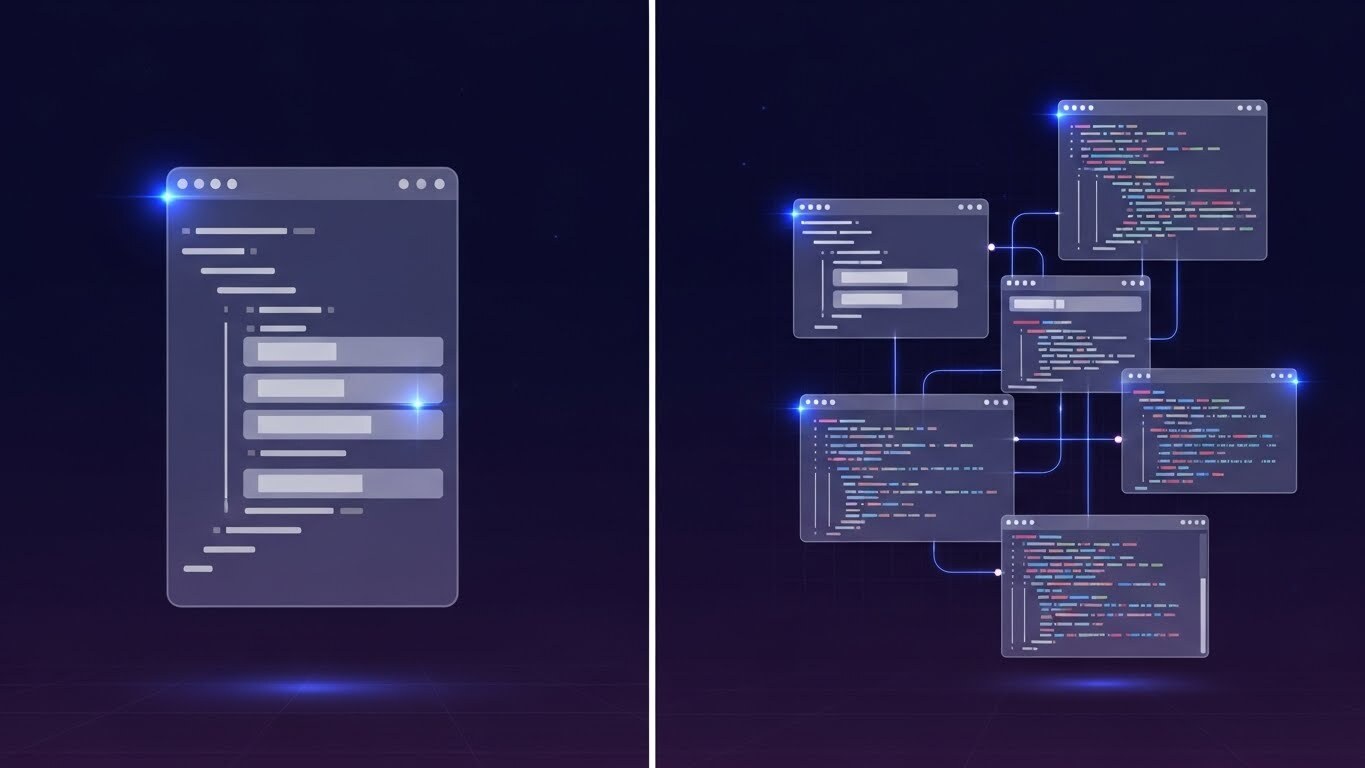




Using Qodo to Build Full Features from Scratch

Start with a clear specification
Every feature begins with intent. Developers can provide Qodo with a short description of what the feature should do. Qodo reads this description, maps it to the current codebase, and suggests the most efficient path to build the new functionality. It can generate initial files, choose consistent naming, and align the solution with the existing architecture.
This removes the common overhead of setting up folders, models, services, components, or endpoints manually.
Generate structured scaffolding
Once the specification is defined, Qodo can generate the entire building block of the feature. This often includes:
- Initial components or modules
- API routes and handlers
- Database models
- Utility functions
- Frontend pages or widgets
- Shared types
- Test scaffolding
The generated structure follows the patterns already used by the team. This reduces inconsistencies and keeps the project organized.
Build the feature in short iterative steps
Qodo helps developers progress through the feature with focused steps. Each time the developer writes new code or asks for a change, Qodo analyzes the surrounding files and adapts the output to the project context.
This makes the feature evolve through a clear sequence:
- Generate initial implementation
- Refine logic
- Adjust styling or API shape
- Validate against project constraints
- Fix inconsistencies and edge cases
This iterative loop creates a natural flow between automation and human decisions.
Add automated test coverage
Qodo can generate tests that match the new functionality. It can create unit tests, integration tests, mocks, fixtures, and snapshots. Developers can then adjust the generated tests and make them stronger or more specific.
Test generation becomes part of the feature workflow instead of something postponed to the end.
Document the feature as it grows
As new files are created, Qodo can generate inline comments, update the README, and add docs for new endpoints or components. Documentation evolves in sync with development instead of becoming an afterthought.
This helps new contributors understand the feature without digging through the entire codebase.
Refactor and polish before release
When the feature is almost complete, Qodo can run a final refinement pass. It identifies unused code, outdated imports, duplicated logic, or inconsistent naming. It can also reorganize files, extract shared utilities, and help simplify complex functions.
The result is a cleaner version of the feature that matches the quality standards of the team.
Provide clarity about impact and dependencies
Because Qodo reads the repository as a whole, it can explain how the new feature interacts with existing modules. It can show upstream and downstream dependencies, highlight risks, and suggest improvements.
This helps teams understand the broader impact of their changes before merging.
Final thoughts
Using Qodo to build features from scratch brings structure and speed to the development process. Instead of jumping between setup, coding, testing, and documentation, developers can move through a guided workflow that keeps the entire project consistent. Qodo supports creativity while reducing repetitive work and improving code quality.