Food for thought.
Reflections on some of our cases, research on cutting-edge tech & experienced takes on design, development and business.

Choosing the right large language model is one of the most important decisions for teams building AI powered applications. ChatGPT 5.1 and Gemini 3 represent the newest generation of reasoning focused, multimodal, and code capable models. Even though both models target similar use cases, their design priorities, performance profiles, and integration paths are very different. This comparison explains how each model works, what developers should expect in production, and which longtail use cases each model supports best.

Google’s Gemini 3 family represents the newest step in large scale multimodal AI. It brings stronger reasoning, more efficient context handling, and deeper integration across code, text, images, audio, and structured data. For developers and technical teams, Gemini 3 is positioned as a versatile model family for building intelligent applications that require fast inference, long context windows, and advanced multimodal understanding. Below is a complete overview of what Gemini 3 is, how it works, and why it matters for engineering teams building modern AI driven products.

Smooth collaboration between designers and engineers shapes delivery speed, product quality, and the overall user experience. Yet handoff workflows often break at the exact moment when clarity matters most. Specs get buried inside comments, frames change without documentation, and developers interpret layouts differently based on personal assumptions. To solve this gap, the Amplifi Labs Handoff Helper plugin brings a structured and reliable way to translate design intent inside Figma. It gives product teams a consistent and developer ready handoff process that scales with new features, and new contributors. This article explains what problems handoff tools solve, how the Handoff Helper plugin works, and why it is becoming an essential part of modern product teams.

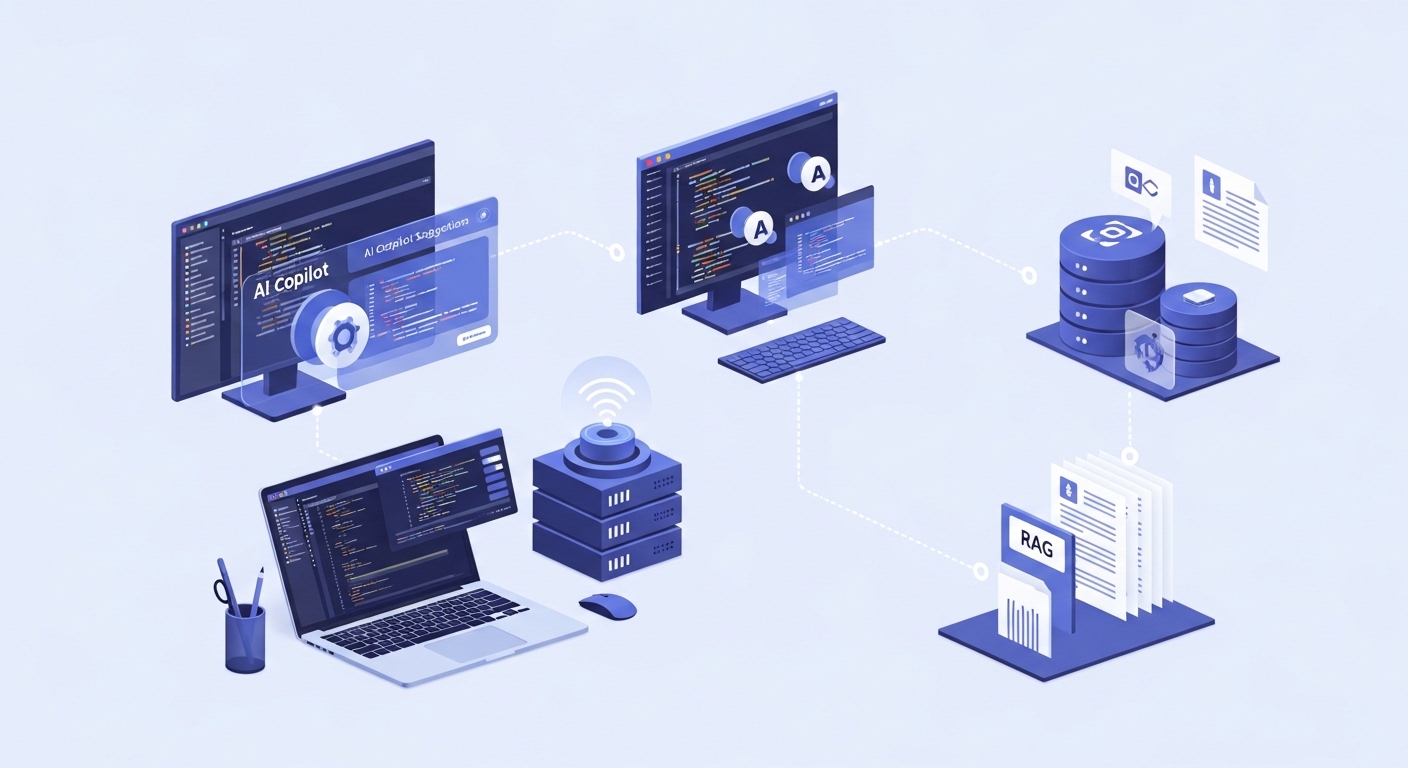
With the release of GPT‑5.1‑Codex‑Max from OpenAI, the balance between human craftsmanship and machine-scale automation takes a significant leap forward. According to OpenAI the model is “faster, more intelligent, and more token-efficient at every stage of the development cycle.” This article explores what GPT-5.1-Codex-Max is, why it matters for development teams, how you might apply it in real workflows, and what to watch out for as you adopt it in a production setting.

AI powered browsers are changing how developers, designers, researchers, and everyday users work on the web. Instead of switching between a classic browser and a separate AI assistant, tools like Dia and ChatGPT Atlas bring intelligence directly into the browsing experience.