




Staff Augmentation Services: How to Scale Engineering Teams Without Hiring Bottlenecks
What Is Staff Augmentation?
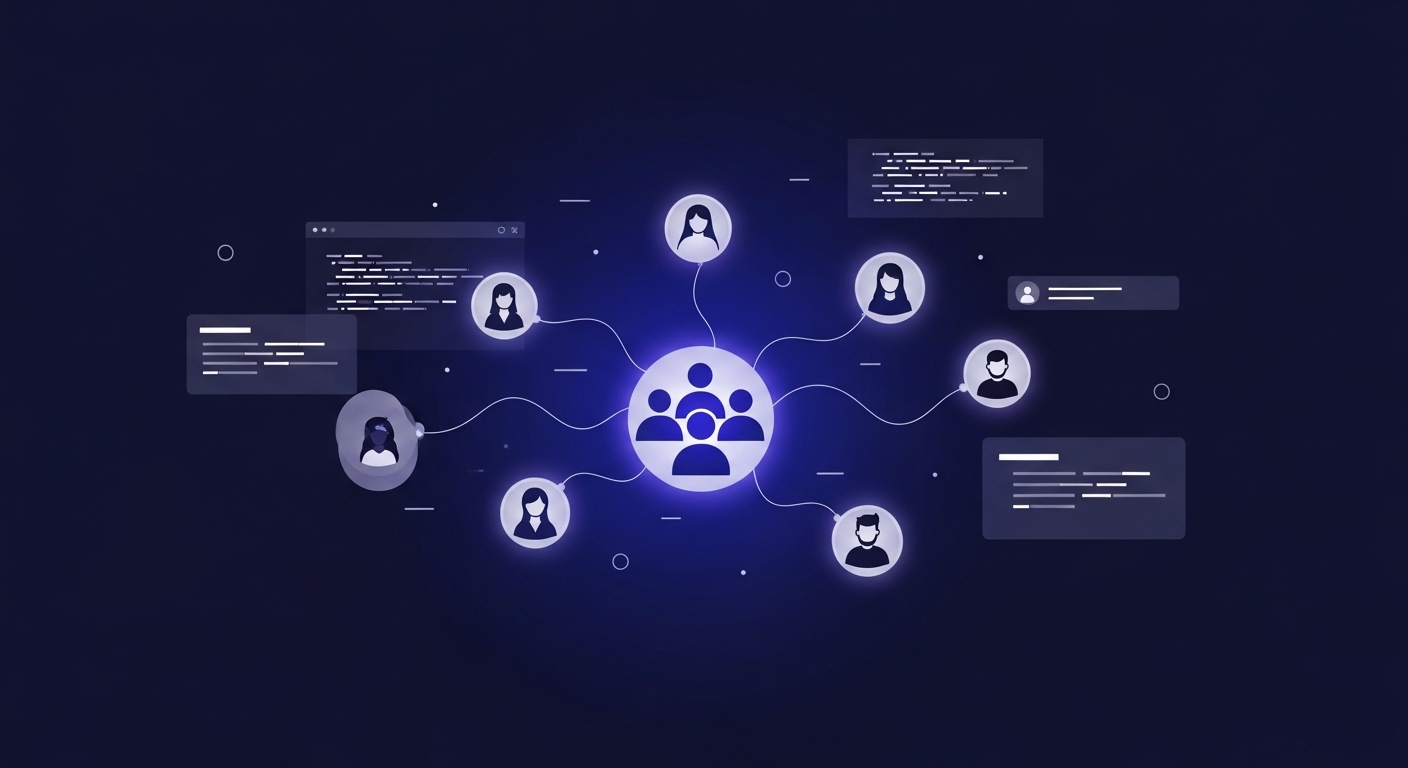
Staff augmentation is a model where external engineers are added directly into your team, working inside your processes, tools, and delivery structure.
You are not handing off work to another company. You are extending your team with additional capacity.
That distinction defines how decisions are made, how quickly work moves, and how much control you retain.
Why Hiring Alone Does Not Scale
Hiring works when growth is predictable. It becomes a constraint when demand is uneven or urgent.
Most teams face the same pattern. Hiring timelines exceed delivery needs. Roles are opened before requirements are clear. Teams either fall behind or carry unnecessary cost later.
Staff augmentation removes that dependency. You scale capacity when needed, not when hiring allows.
The difference is practical.
Outsourcing transfers responsibility. Staff augmentation keeps responsibility inside your team while increasing capacity.
Where Staff Augmentation Works Best
Staff augmentation is effective when speed and flexibility matter more than long-term headcount planning.
- When roadmap pressure increases and hiring cannot keep up
- When specific skills are needed for a defined period
- When internal teams are overloaded but still own delivery
- When companies want to stay lean while scaling
Where Most Providers Fall Short
Many providers still operate like staffing agencies.
Engineers are placed without enough context. Onboarding is slow. Communication gaps appear. Ownership becomes unclear.
Instead of accelerating delivery, teams spend time managing the gaps.
What Good Staff Augmentation Looks Like
For the model to work, integration must be real.
Engineers should operate inside your stack, follow your processes, and contribute quickly. Onboarding must be structured, not exploratory.
Ownership stays internal. External engineers increase output without changing how decisions are made.
How Amplifi Labs Approaches On-Demand Talent
Amplifi Labs structures staff augmentation as on-demand engineering integrated into your team.
The focus is on delivery, not placement.
Engineers join your workflow and begin contributing quickly. Capacity scales based on demand, without long-term lock-in.
This model is designed for teams that need more output without changing how they operate.
Learn how it works:
https://www.amplifilabs.com/on-demand-talent
Benefits in Practice
When executed correctly, staff augmentation delivers clear operational gains.
Teams start faster because they are not waiting on hiring. Capacity becomes flexible. Costs align with demand instead of fixed headcount.
At the same time, product quality remains consistent because delivery stays within your team.
How to Evaluate a Staff Augmentation Partner
Choosing the right partner is about integration, not just talent.
- Can they integrate into your workflow without disruption
- Do they match your technical stack
- How fast can they start contributing
- Can you scale up or down easily
- Do they operate as part of your team
If integration is unclear, friction will follow.
Scaling Without Hiring Friction
Staff augmentation does not replace hiring.
It removes the need to hire every time demand increases.
Teams that adopt this approach stay lean, move faster, and maintain control over delivery.
Next Step
If your team needs more capacity without slowing down delivery:
https://www.amplifilabs.com/on-demand-talent
Or discuss your needs directly:
https://www.amplifilabs.com/contact
FAQ
How does the hiring and screening process work?
A structured process ensures candidates are validated before they reach your team.
This typically includes sourcing from an existing talent pool, technical validation, and soft skills assessment before final client approval.
The goal is simple: reduce risk and shorten time to productivity.
How fast can engineers start?
In many cases, you can meet candidates within days and have them starting shortly after.
Pre-vetted talent pools and structured screening processes allow providers to accelerate onboarding compared to traditional hiring.
How do you ensure the right fit?
Fit is defined upfront.
You specify:
- Required skills
- Seniority level
- Team structure
- Project context
From there, candidates are evaluated against those criteria before joining your team.
What does the onboarding process look like?
Onboarding is focused on speed and clarity.
Instead of generic ramp-up, engineers are introduced directly into your workflow, tools, and delivery context.
The objective is immediate contribution, not extended onboarding cycles.
Can I scale the team up or down?
Yes.
Staff augmentation is designed for flexibility. You can increase or reduce capacity based on actual demand, instead of being locked into long-term hiring decisions.
How is this different from outsourcing?
Outsourcing transfers ownership of delivery.
Staff augmentation keeps ownership inside your team while adding capacity.
This is why integration and control remain intact.
What are the risks, and how are they mitigated?
The main risks are poor fit, slow onboarding, and lack of integration.
These are mitigated through:
- Structured screening
- Clear requirements definition
- Technical validation
- Ongoing communication
Working with a provider that understands engineering workflows reduces these risks significantly.
Do I need a detailed role definition before starting?
Yes.
Clear requirements are one of the main drivers of success in staff augmentation.
Defining skills, responsibilities, and expectations upfront reduces hiring time and improves fit.