Food for thought.
Reflections on some of our cases, research on cutting-edge tech & experienced takes on design, development and business.

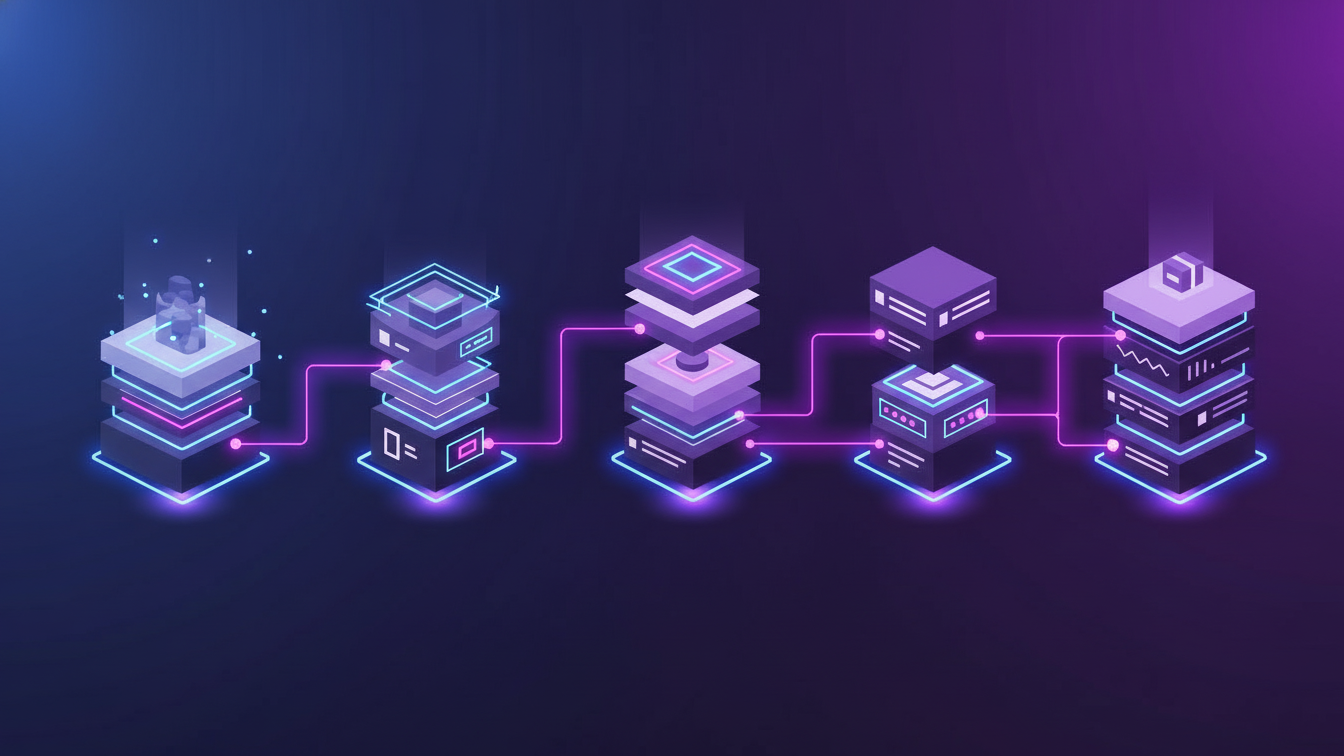
The modern AI stack is evolving beyond traditional data pipelines and web backends. As language models become central to application logic, a new layer of infrastructure has emerged — one built around LLM APIs, vector databases, and context windows. This emerging stack powers intelligent, context-aware systems capable of reasoning, retrieving, and generating information dynamically. In this article, we’ll explore how these technologies fit together, why they matter for developers, and how they are shaping the next generation of AI-driven products.

The bridge between design and development has always been one of the most challenging gaps in product creation. Designers work in tools like Figma or Sketch, while developers must interpret those designs into functional code — often through back-and-forth iterations that consume time and introduce inconsistencies. Today, that workflow is being reinvented. Artificial Intelligence is transforming static mockups into production-ready code faster and more accurately than ever before.

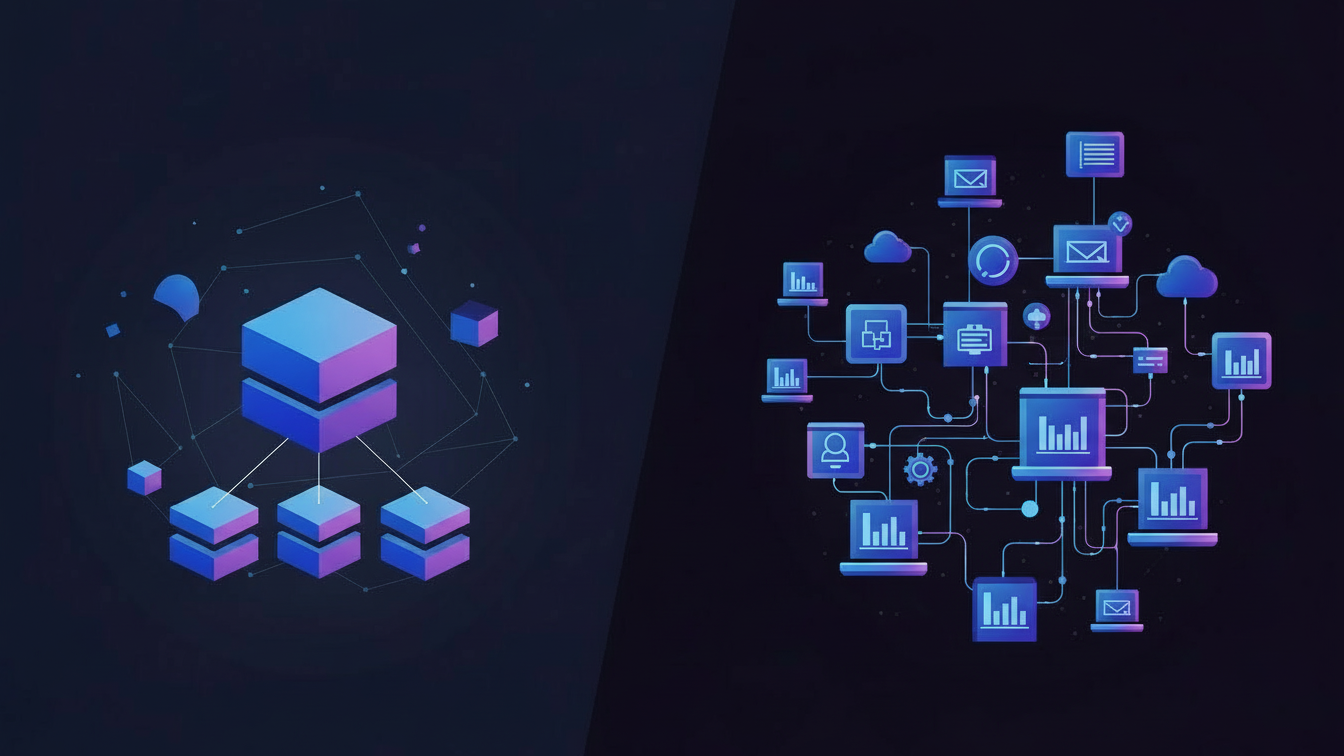
Choosing the right tech stack is one of the most important decisions in software engineering. It affects performance, scalability, hiring, and long-term maintenance. For years, developers have debated whether Node.js, Python, or Go is the best choice for modern applications. Now, with Artificial Intelligence entering the development process, teams can use data-driven insights to make smarter, faster, and more future-proof stack decisions. This article explores how AI can analyze project needs, predict trade-offs, and help you decide between Node, Python, and Go based on your goals.

For many development teams, documentation is the least exciting part of software engineering. Yet it is one of the most critical. Clear, accurate, and up-to-date documentation accelerates onboarding, improves collaboration, and reduces dependency on tribal knowledge. Large Language Models (LLMs) are redefining how documentation is written, maintained and delivered, directly within the development pipeline.

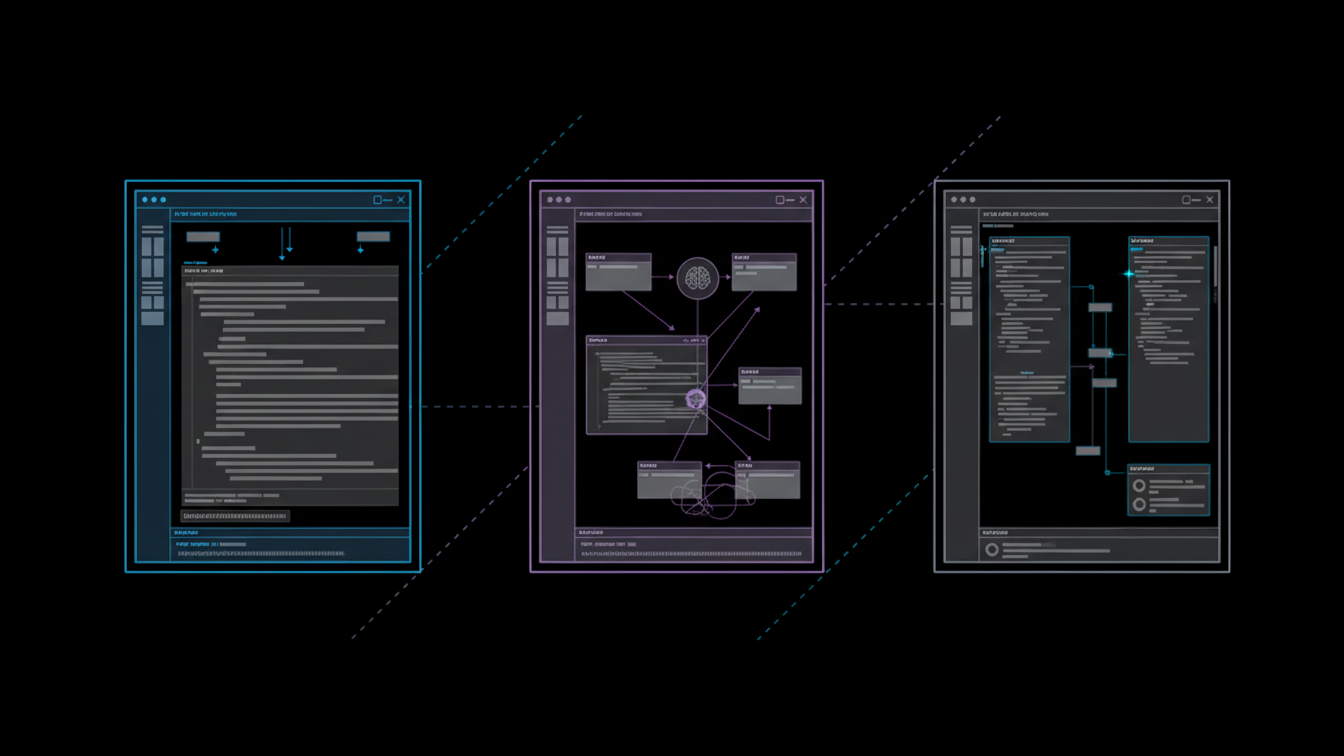
The Integrated Development Environment (IDE) has always been at the center of software engineering. But in 2026, the way developers write, review, and ship code is changing faster than ever. Artificial Intelligence is no longer a peripheral tool. It is embedded directly into the IDE, transforming it into an intelligent workspace that assists, anticipates, and accelerates every stage of development.