



Claude Cowork Explained: How Anthropic Is Building Agentic Productivity
What Is Claude Cowork
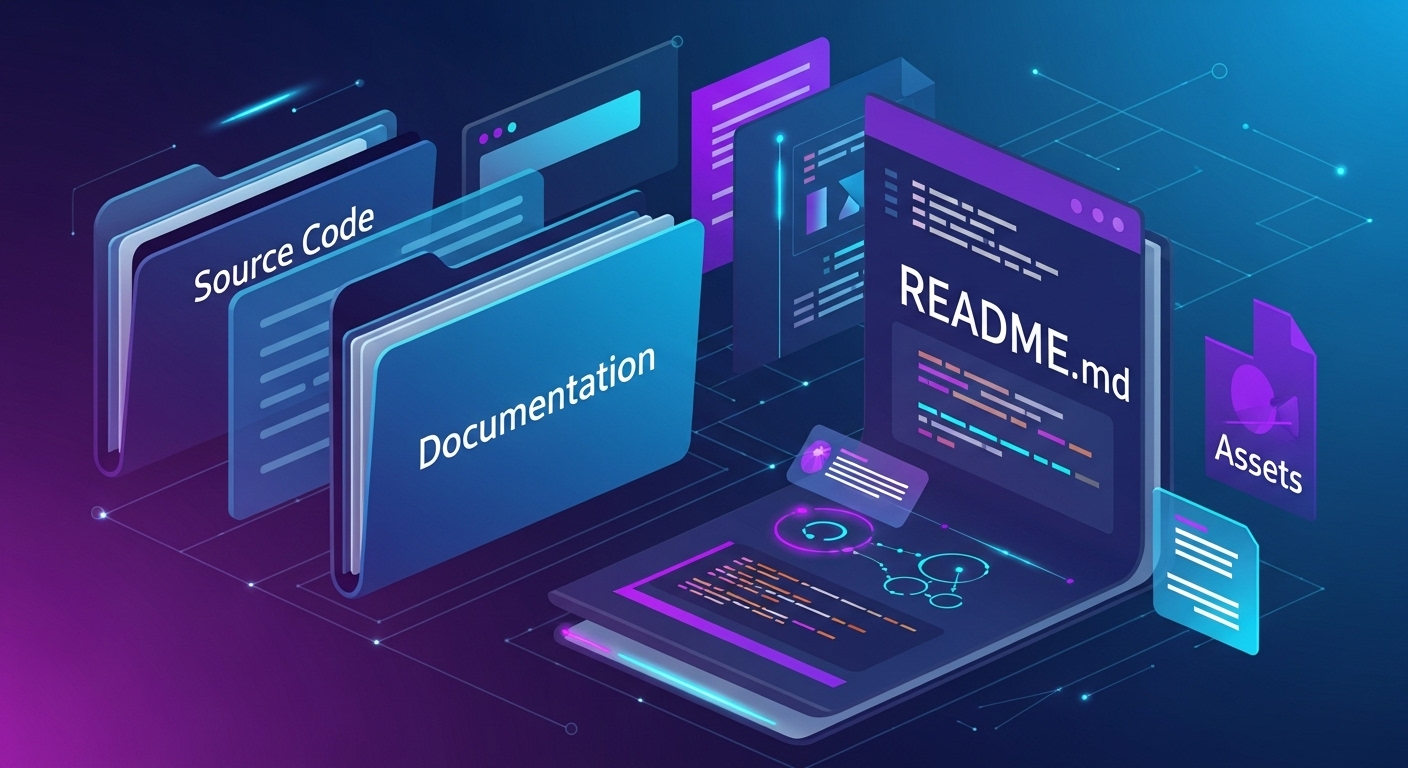
Claude Cowork is described by Anthropic as an extension of Claude Code principles to general knowledge work. In practice, it enables Claude to act within a controlled desktop environment and complete tasks on behalf of the user.
With Cowork enabled, Claude can:
- Read and modify files inside approved folders
- Create, rename, and organize documents
- Compile information across multiple sources
- Generate structured outputs such as reports or spreadsheets
- Execute sequences of actions based on a single natural-language instruction
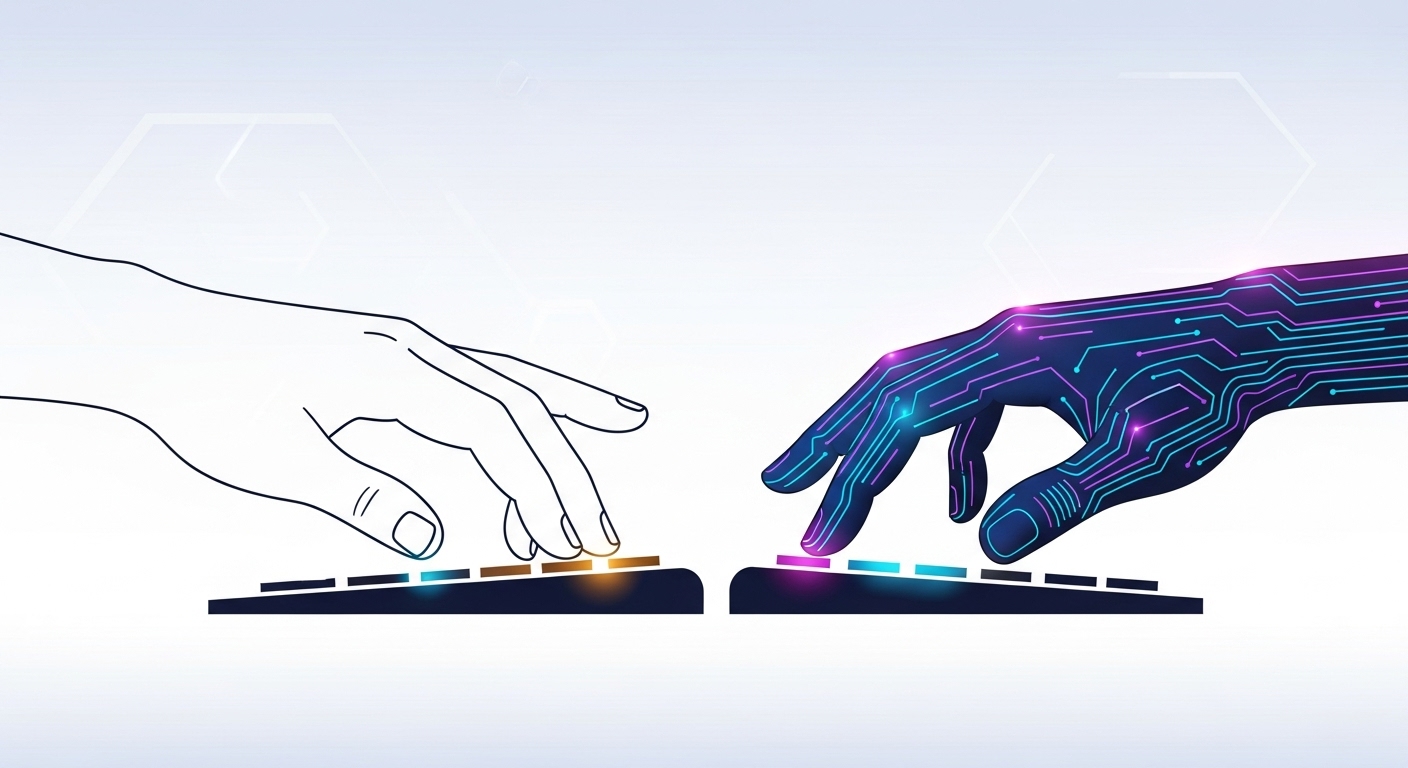
The goal is not just to assist, but to collaborate by taking ownership of discrete units of work.
Cowork is currently positioned as a research preview, signaling that Anthropic is actively testing interaction patterns, safety constraints, and user expectations around autonomous AI behavior.
How Claude Cowork Works
Claude Cowork operates through the Claude Desktop application. Users explicitly grant access to specific local folders, which limits the scope of what the model can see or modify.
A typical workflow follows three steps:
- The user defines a task in natural language
- Claude plans the steps required to complete it
- Claude executes those steps within the permitted environment
For example, a user might ask Claude to organize a directory of documents, extract key data into a spreadsheet, and produce a summary report. Claude determines the necessary sequence and performs the actions directly.
Unlike standard chat interactions, the user does not need to manually copy outputs or guide each intermediate step. The system is designed to operate with a higher level of autonomy, while still requiring confirmation for sensitive actions.
Claude Cowork vs Traditional AI Chat Interfaces
Most AI assistants today operate in a request response loop. They generate text, code, or suggestions, but execution remains manual.
Claude Cowork introduces several structural differences:
- Actions occur in real files, not abstract outputs
- Tasks can span multiple steps without repeated prompts
- The model maintains task context across longer workflows
- Results are delivered as completed work artifacts, not just text
This moves Claude closer to an agent model, where reasoning and execution are tightly coupled. The distinction is significant for productivity use cases, especially in environments where repetitive digital work dominates.
Availability and Platform Limitations
As of the research preview release, Claude Cowork is available only to Claude Max subscribers using Claude Desktop on macOS.
Anthropic has indicated plans to expand platform support over time, including Windows compatibility and broader workflow integrations. For now, access remains intentionally limited to allow for controlled testing and iteration.
Practical Use Cases
Claude Cowork is designed to handle tasks that typically require focused time but limited creative judgment. Examples include:
- Organizing large collections of documents
- Consolidating notes into structured reports
- Extracting data from files into tables
- Preparing internal summaries from multiple sources
- Cleaning up and standardizing document formats
These use cases highlight Cowork’s strength in operational execution rather than ideation or creative writing.
Security and Risk Considerations
Because Claude Cowork can modify local files, safety and scope control are critical.
Anthropic addresses this by requiring explicit folder permissions and confirmation for destructive actions. Even so, users must remain cautious about:
- Granting access only to non-critical directories
- Writing precise instructions to avoid ambiguity
- Understanding the risk of unintended file changes
- Monitoring for prompt injection or misleading content inside documents
The research preview status reflects that these concerns are still being actively evaluated.
Claude Cowork in the Broader Agentic AI Trend
Claude Cowork is part of a broader industry shift toward agentic AI systems. Rather than acting as passive assistants, these tools aim to perform meaningful work on behalf of users.
Similar concepts are emerging across coding tools, workflow automation platforms, and enterprise AI products. What differentiates Cowork is its tight integration with a general-purpose language model and a desktop environment, without requiring custom scripting or automation frameworks.
This positions Claude Cowork as an early example of AI moving from advisory roles into execution roles.
Limitations and Open Questions
Despite its potential, Claude Cowork has clear limitations today:
- Platform availability is restricted
- Behavior can vary depending on task complexity
- Long or ambiguous instructions may lead to partial results
- Oversight is still required for critical workflows
These constraints are consistent with early-stage agent systems and underscore the importance of human review.
Claude Cowork represents a meaningful evolution in AI-powered productivity. By enabling Claude to plan and execute real tasks within a controlled environment, Anthropic is exploring what collaborative AI can look like beyond chat interfaces.