



ChatGPT Health: A Tech-First Look at AI-Powered Personal Health

What Makes ChatGPT Health Different
ChatGPT Health is a structured environment designed to reason over user-provided data such as medical records and wellness metrics while keeping that information isolated and controlled by the user.
From a systems perspective, this introduces three important changes.
Contextual AI by Default
Instead of starting every prompt from zero, the system can reference historical and connected health data. This allows responses to reflect trends, patterns, and personal baselines rather than averages or generic advice.
Strong Data Boundaries
Health interactions live in a separate space with additional safeguards. Health data is not mixed with general conversations and is not used to train global models. Users can review, remove, or disconnect data sources at any time.
Domain-Constrained Reasoning
The experience is intentionally limited. It focuses on explanation, organization, and preparation, not diagnosis or treatment. From an AI safety standpoint, this constraint is a key design decision.
Why This Matters for the Tech Ecosystem
ChatGPT Health is interesting because of what it represents technically, not just what it does for end users.
A Blueprint for Vertical AI Experiences
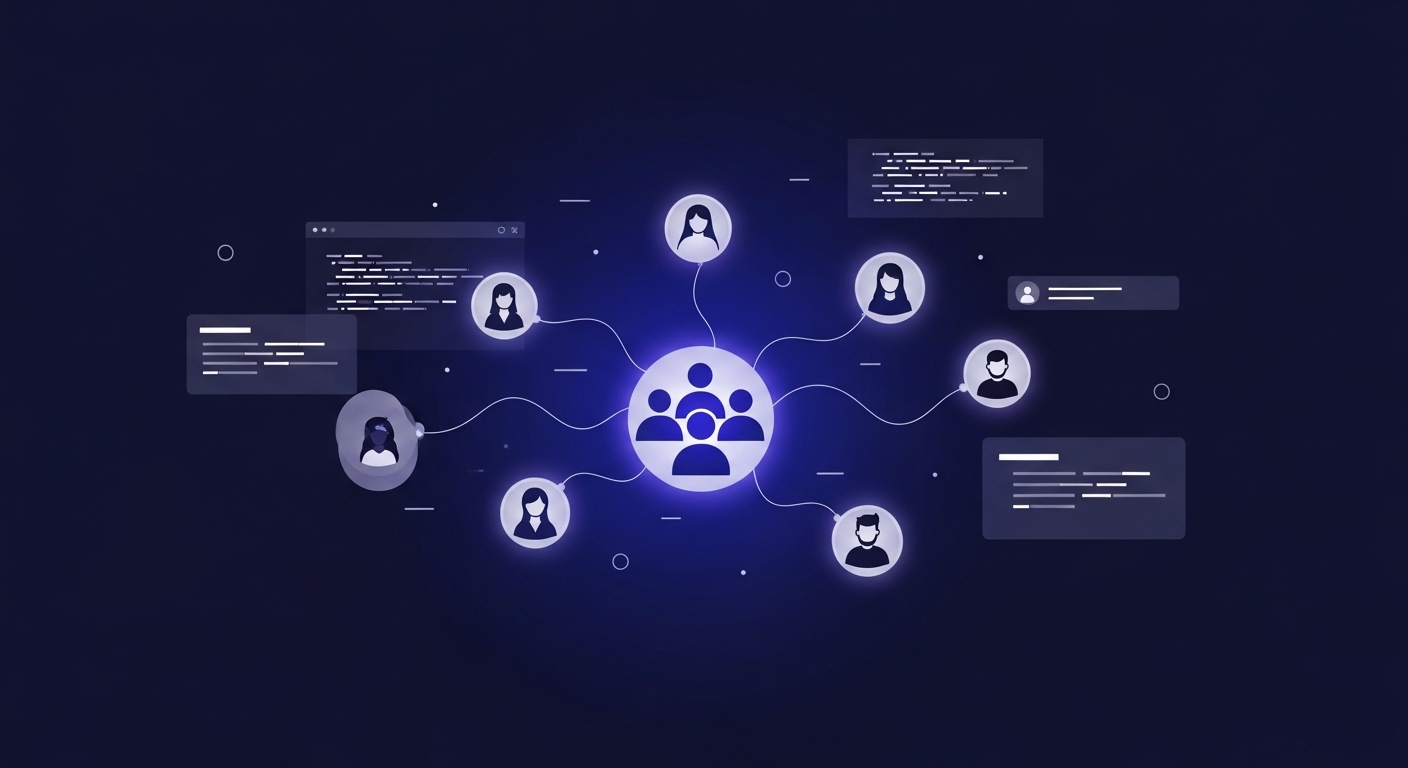
Rather than one general-purpose assistant, ChatGPT Health shows how AI can be segmented into domain-specific environments with tailored rules, memory, and safeguards. This pattern is likely to expand into other regulated or high-context domains.
Natural Language as an Interface Layer
Health data is complex, fragmented, and often unreadable to non-experts. AI turns that data into a conversational interface, lowering the barrier between raw information and meaningful understanding.
Privacy-First Product Design
The emphasis on compartmentalization and user control reflects a broader trend in AI product development. As AI systems gain access to sensitive data, architecture matters as much as model capability.
Practical Use Cases Without the Hype
ChatGPT Health is positioned around everyday workflows rather than futuristic promises.
Users can:
- Translate lab results into plain language
- Track trends across wellness data over time
- Prepare structured questions for medical appointments
- Compare lifestyle or nutrition approaches using their own data
From a tech standpoint, these are examples of augmentation, not automation. The AI helps users think better, not act independently.
Implications for Builders and Product Teams
For teams building AI-driven products, ChatGPT Health offers several takeaways.
- Domain context improves usefulness more than raw model power
- Clear boundaries increase trust in sensitive applications
- Specialized experiences outperform generic chat for complex tasks
This approach aligns with a growing shift away from one-size-fits-all assistants toward purpose-built AI systems.
Looking Ahead
ChatGPT Health points to a future where AI systems are embedded into daily decision-making through secure, contextual, and narrowly scoped experiences. It shows how advanced models can be applied responsibly without trying to replace professionals or overreach into automation.
For the tech industry, the lesson is clear: the next wave of AI value will come from thoughtful integration, strong guardrails and products designed around real human workflows, not just model capabilities.